
Vaser Lipo With BBL: Procedure, Safety, Risks & Recovery

Key Takeaways
- By combining Vaser lipo and BBL in one session, this increases efficiency and decreases the overall anesthesia and recovery workload. It also allows for higher fat viability for transfer.
- Vaser ultrasound emulsifies fat in a selective way, minimizing tissue trauma and making harvested fat easier to extract and more likely to survive grafting.
- Tender harvesting, thoughtful purification, and expert multilayer grafting all enhance long term fat retention and carve out natural contour and projection.
- Safety relies on seasoned surgical teams, blunt cannulas, superficial placement, thermal control, and real-time monitoring to mitigate risks such as fat embolism and tissue injury.
- Recovery is on a set schedule with rest and compression in the beginning, swelling that decreases gradually, and final results settling in at 3 to 6 months. Schedule downtime and customized pain control.
- Optimal patients have sufficient donor fat, no health issues, and good skin quality. Patients with medical risk factors or poor tissue should be eliminated and a transparent candidate checklist established preoperatively.
Vaser lipo with BBL is a body contouring technique that employs ultrasound-assisted liposuction and fat transfer to the buttocks. The technique promises smoother fat extraction, less blood loss, and more precise contouring than traditional liposuction. Candidates have to be at a stable weight and have reasonable expectations. Recovery typically involves restricted activity for weeks and a slow return to normal life. In the sections ahead, we discuss the technique, risks, cost, and what to expect with recovery.
Surgical Synergy
Surgical synergy refers to the ability to combine procedures so that it’s better than doing each one individually. For example, in the case of Vaser liposuction with BBL, this combines high-frequency liposuction with instant fat implantation to the buttocks, all in one procedure. Surgical synergy combines steps, which decreases anesthesia time, recovery, and often results in more fluid body contouring than sequential surgeries. To accomplish this, your surgical team needs to be organized, and you need to be adept at liposuction and fat grafting.
1. Ultrasound Emulsification
Vaser employs ultrasonic waves to liquefy fat prior to suction. The device aims at fat cells but leaves surrounding nerves, blood vessels, and connective tissue generally unharmed. This focused activity reduces damage to adjacent tissue compared to standard suction-only techniques. Since the fat is already loosened and emulsified, extraction is more fluid and the harvested cells are less traumatized, potentially enhancing viability for grafting.
2. Fat Harvesting
Once emulsified, surgeons use soft, low-pressure suction to remove the freed fat. This is to steer clear of high shear forces or suction speed that tear cells apart. Common donor sites are the abdomen, flanks, and outer thighs for volume and fat quality. Harvested fat is placed into sterile containers and transported quickly to the processing area to preserve cell viability for transfer into the buttocks.
3. Purification Process
Purification isolates usable fat from blood, local anesthetic fluid and oil. Typical techniques involve low-speed centrifugation and filtration systems to maintain cell integrity. Pure, concentrated fat increases the likelihood of graft take and long-term retention. We reinject only top quality fat. All excess fluids and debris are discarded to minimize inflammation and cyst formation post-grafting.
4. Strategic Grafting
Reinjection is performed with small cannulas to deposit fat in specific planes into the buttock tissue. Surgeons coat small amounts in several tunnels to increase blood exposure and cell survival. Dispersed equally, it minimizes lumps and forms a silky, natural curve. Thoughtful placement sculpts curves and projection while circumventing large boluses that threaten poor survival or fat necrosis.
5. Skin Retraction
Vaser’s thermal and mechanical effects stimulate collagen in the treated area, which helps skin tighten after fat removal. Enhanced skin retraction smooths contours and aids patients with mild laxity, at times eliminating the requirement for additional skin excision. This tightening effect synergizes with grafting, creating combined liposuction and BBL as a fuller body-contouring strategy.
Candidate Selection
Candidate selection outlines who will probably gain from vaser liposuction with a Brazilian butt lift and how to strategize securely. Candidates should be close to their ideal weight, typically within 2 to 4 kilograms of goal, with a BMI of 28 or lower for most advanced liposuction methods. Low total body fat aids in this high-definition carving, as the surgery is meant to enhance contours and not achieve massive weight reduction. Surgeons rely on these measurements to estimate how much fat is accessible for harvest and how the body will settle in the healing process. The final form often presents by approximately six months post-op.
Create a checklist of ideal candidate characteristics to guide discussion and screening:
- Strong communication skills
- Relevant experience in the field
- Ability to work in a team
- Problem-solving skills
- Adaptability to change
- Strong work ethic
- Positive attitude
- Cultural fit with the organization
- Willingness to learn and grow
- Leadership potential
- BMI 28 or below.
- Within 2–4 kg (5–10 lb) of target weight.
- Stable weight for at least three months.
- Minimal-moderate total body fat with sufficient donor fat in critical zones like flanks, abdomen, or thighs.
- Good skin elasticity in treatment zones or reasonable expectations if skin laxity is present.
- Non-smoker or willing to quit weeks before and after surgery.
- No significant medical conditions such as uncontrolled diabetes, bleeding, or heart or lung disease.
- Post-op care and follow-up visits.
Reasonably good fat reserves in donor areas. Someone can be overall lean but have refinable fat pockets in the flanks, lower back, or inner thighs. These areas frequently provide the BBL’s grafted fat. Surgeons evaluate both volume and quality of fat during consultation and may do pinch tests and measurements. Note that safety limits apply. Typical outpatient guidelines cap total aspirate at about 5 liters, which is approximately 4.5 to 5 kilograms or 10 to 11 pounds, including fat and fluid. Taking off more than this in a single sitting increases danger and may necessitate staged operations.
Rule out candidates who have major medical risks or poor skin elasticity. Patients with severe cardiovascular disease, poorly controlled diabetes, active infection or coagulopathy or patients unable to stop smoking are excluded. Bad skin tone results in irregular contours or loose skin post-liposuction, so alternative plans or combined procedures could be suggested. A detailed consultation with a seasoned surgeon is essential to finalize candidacy, explore achievable results, and schedule phased treatments if required.
They will discuss timing and expectations, inform that results are fully visible by approximately six months, and demand dedication to adhering to pre- and post-op instructions for optimal and safe results.
Clinical Safety
Vaser liposuction with BBL has unique safety factors that should be addressed pre, intra, and post-surgery. Well-defined patient selection, a team with experience, intraoperative monitoring, and post-op care all mitigate risk. These tables below provide a summary of common complications and practical prevention strategies used in contemporary practice.
| Potential complication | Preventive measures |
|---|---|
| Fat embolism | Use blunt cannulas, inject superficially, low-pressure layering, strict anatomical mapping, limited volume per pass, team trained in recognition |
| Contour irregularities (lumps, bumps, dimples) | Conservative fat removal, staged procedures, meticulous sculpting, post-op compression and massage |
| Skin burns/thermal injury | Monitor Vaser energy settings, limit continuous activation, keep probe moving, check skin temperature |
| Hematoma/seroma | Careful hemostasis, use of drains when indicated, compression garments, activity restriction |
| Infection | Perioperative antibiotics when indicated, sterile technique, patient hygiene instructions |
| Pigmentation changes | Avoid aggressive superficial treatment in high-risk skin types, counsel on sun protection |
| Deep vein thrombosis | Early mobilization, compression stockings, assess DVT risk, anticoagulation per protocol |
| Excessive blood loss | Pre-op optimization, limit operative time, staged approach for large volumes |
Embolism Prevention
Preventing intravascular fat injection is technique and anatomy dependent. Employ blunt-tip cannulae and inject fat in small aliquots in the subcutaneous rather than deep intramuscular pockets. Stay superficial and never point cannulas towards known major vessels. Real-time ultrasound or intraoperative landmarks map safe zones. We have clinical safety protocols in place including maximum volumes per session, absolute depth limits, and two-person verification for high risk areas. Teams conduct drills to identify respiratory or cardiac changes indicating embolic events and have immediate rescue plans.
Thermal Control
Vaser systems control ultrasonic energy to emulsify fat while preserving connective tissue when properly manipulated. Devices have adjustable power and pulsed mode. Surgeons continuously monitor settings and skin response. Move the probe continuously and do not blast one spot for a long time to minimize heat accumulation. Controlled thermal output assists in disrupting fat cells without unnecessary collateral damage that reduces the risk of burns and post-operative skin discoloration. Recording device settings and skin temperature measurements facilitate safer intraoperative decision making.
Pain Management
Tumescent anesthesia is the foundation. Large-volume diluted local anesthetic and epinephrine reduce bleeding and numb tissues during liposuction. Nerve blocks can add targeted relief for immediate postoperative comfort. Oral analgesics and short-course IV medications cover moderate to severe pain in the first 48 to 72 hours. A tailored plan accounts for patient comorbidities, medication tolerances, and expected activity level. Most patients face the hardest symptoms in the first one to two weeks and should plan at least two weeks off sedentary work.
Recovery Trajectory
Your recovery trajectory after VASER liposuction with BBL is fairly predictable but unique to your health, degree of work, and technique. Timeline of recovery. Below is a timeline by which you can gauge what to expect and when to get help. A visual timeline chart is useful: Day 0 to 3 shows acute pain, peak swelling, and bruising. Week 1 is the toughest period with persistent drainage possible. Weeks 2 to 6 indicate steady improvement and reduced bruising. By Week 6, most can sit normally. At 2 months, you are cleared for most activities. Finally, between 3 to 6 months, the final contour becomes visible as grafts stabilize.
Initial Days
Rest for the initial 72 hours. Restrict motion, do not bend at the waist, and keep heart rate low to minimize bleeding and swelling. You should anticipate pain, aching, bruises, and drainage from liposuction sites. Pain is usually at its worst in week one. Swelling and bruising tend to peak close to day 3 or 4 and then gradually subside. Check wounds every day for new bleeding, foul odor, spreading redness, fever, or large numb areas. These may indicate infection or seroma and require immediate communication with the surgeon. Organize assistance for dressing changes, meals, childcare, and transportation. Patients should not drive in this early window. If drainage is involved, apply dressings as instructed and monitor liquid quantity if drains are in place.
Compression Protocol
- Wear compression garments firmly, not so tight they cut circulation.
- Don’t roll or fold the garment at the buttock area.
- Peel off just for quick showers if permitted by your surgeon.
- Clean garments per instructions to avoid skin issues.
- Don’t forgo daytime wear. Slow night loosening is usually permitted.
- Replace garments if they lose elasticity or become uncomfortable.
Compression is typically worn full-time for the first 4 to 6 weeks, then part-time to month 3 based on guidance. It aids in decreasing swelling, provides support to soft tissues and directs the healing skin to the new contour. Proper fit is key: too loose won’t shape; too tight can harm circulation and graft survival.
Graft Maturation
Fat grafts go through stages: initial survival depends on blood supply, then gradual integration and remodeling. A lot of the adipocytes perish right away, so some volume loss is to be expected, but most of the volume holds steady between three and six months. Do not put direct pressure on your buttocks for at least six weeks to safeguard your grafts. Sit on specialty pillows and lean forward when you must sit. By week six, most patients can sit without a pillow and at two months are commonly cleared for most normal activities. Final results typically take shape between three and six months as swelling diminishes and grafts fully mature.
Aesthetic Outcomes
VASER lipo with BBL utilizes focused fat elimination and selective fat transfer to sculpt your body and amplify your curves. VASER utilizes ultrasound energy to shatter those hard-to-budge fat pockets, giving your surgeon the freedom to sculpt strategic zones such as the flanks, abdomen, and lower back. Fat harvested from these areas is purified and injected back into the buttocks to add projection and roundness. This strategy can dramatically enhance the waist-to-hip ratio by reducing the waist and increasing volume where you want it, creating more of an hourglass or athletic look depending on your goals.
Sculpting with VASER results in a more toned, less dimpled appearance as the technology emulsifies targeted fat and preserves adjacent tissue. The ultrasound provides a subtle skin-tightening effect, which assists the treated areas to appear more firm as inflammation subsides. Expect the body to show progressive change: initial shape is visible right away, but final contour generally appears over three to six months as tissues heal and fluid resolves. You can have more than one area treated, so if you’re going in for one operation, let’s take care of the back rolls, love handles, inner thighs, and stomach pockets, and reuse that fat for some butt juice.
When executed by a talented surgeon, outcomes tend to appear natural. Fat grafts become one with native tissue, producing supple, uniform contours instead of the more rigid and conspicuous feel of implants. Longevity is a key benefit. While some grafted fat is reabsorbed in the weeks after surgery, the fat that survives becomes permanent and ages with the body like regular tissue. This permanence stands in contrast to implants, which often need to be replaced or revised over time. Keep in mind that permanent doesn’t mean unchanging. Aging, weight gain, or loss will affect the result.
Patient experience includes typical postoperative effects: mild swelling, bruising, and temporary numbness are common. Utilizing compression garments post-procedure for a few weeks decreases swelling, supports tissues, and helps the fat settle into place. Surgeons typically advise a staged return to activity and cautious weight monitoring to safeguard the grafted fat. To demonstrate typical results, it’s helpful to collect before-and-after pictures. Show cases that match a range of body types and explain the timeline. Immediate, 6 weeks, and 6 months images help set realistic expectations and show how contour refines over time.
Surgeon Perspective
Surgeons treat Vaser liposuction with BBL as a challenging yet fulfilling combination that demands comprehensive planning and rigorous safety boundaries. Vaser utilizes ultrasonic energy to loosen fat, which can make grafts purer and easier to harvest for transfer. That benefit comes with trade-offs. Energy can alter fat cell membranes, so the timing of harvest, handling, and grafting technique matter to maximize fat survival and avoid damage.
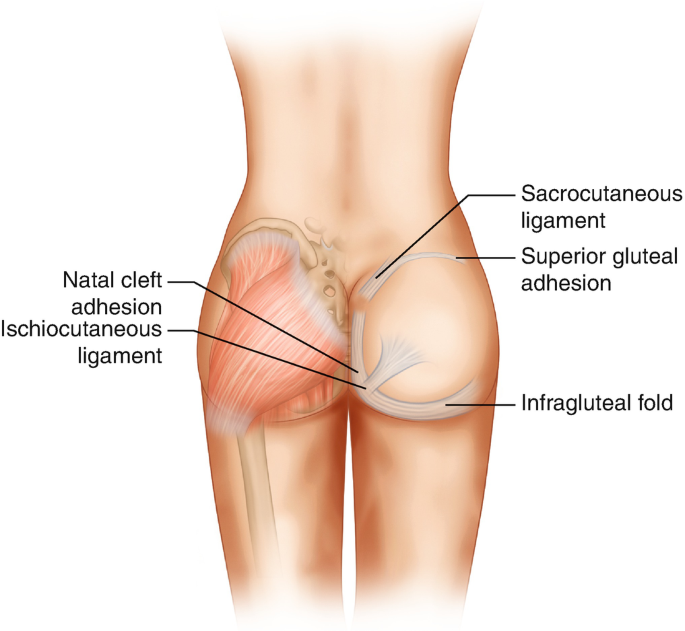
Patient anatomy defines the plan. Marking preoperatively lays out which areas are for contouring and which are for fat harvest, and how much volume is safe to remove from donor sites. Yes, most surgeons are seeking contour change, not massive weight loss. Typical Vaser removal is in the range of 2 to 5 liters, roughly 4 to 11 pounds, sculpting the hips, flanks, abdomen, and thighs. Most clinics cap just under 5 liters of total aspirate per outpatient session to minimize risk. Some others use the more conservative 3 to 5 liters or 4 to 5 percent body weight, particularly when Vaser energy is employed. These figures represent the struggle between attaining visible contour and preventing fluid imbalances, seromas, infection, and other complications.
Technical workflow issues. Following tumescent infiltration and Vaser emulsification, fat is suctioned low-shear, processed gently, and re-injected in microdroplet layering into the gluteal subcutaneous plane. Small aliquots enhance graft take as they permit prompt revascularization. Surgeons concerned with graft survival utilize multiple small tunnels and avoid large bolus injections, a technique that increases fat necrosis and complication risk.
Evolving practices still drive better outcomes. These innovations include enhanced cannula design, standardized centrifugation or decanting to minimize contaminants, and ultrasound guidance for safe cannula placement during harvest and injection. Others customize Vaser energy settings and harvest depth to maintain viable adipocytes while still accomplishing aggressive contouring. New data supports slower, staged grafting in select patients when larger volume augmentation is desired, trading immediacy for safety.
Patient selection and counseling are key. Surgeons stress that Vaser plus BBL is not a weight-loss procedure but rather an aesthetic reshaping. Candidates should be medically optimized and understand realistic expectations regarding the degree of contour change, likely fat take rate, recovery timeline, and potential need for touch-up. Surgeons say they experience tremendous satisfaction providing confidence-boosting outcomes when the stars of anatomy, skill, and safety limits align.
Conclusion
Some obvious advantages of vaser lipo with bbl. The ultrasound instruments slice fat with less tissue damage. Fat transfer sculpts volume and shape with your own tissue. Ideal candidates possess steady weight, resilient skin, and reasonable goals. Well-planned surgeons and careful safety steps reduce risks and quicken healing. Anticipate swelling, soreness, and a couple of weeks of restricted activity. Physical transformation appears at six to twelve weeks and perfects over months.
For a safe, natural outcome, select a board-certified surgeon with demonstrated BBL expertise and request to review recent unretouched images. Schedule a consultation to outline your goals, timeline, and budget. Begin with defined questions and a strategy.
Frequently Asked Questions
What is VASER lipo with BBL and how do they work together?
VASER lipo utilizes ultrasound to shatter fat. The fat is then processed and injected into the butt for a BBL. Together they sculpt the donor area and add volume where needed for a smoother, more balanced silhouette.
Who is a good candidate for VASER lipo with BBL?
Ideal patients are healthy adults with reasonable expectations, adequate donor fat and no significant medical concerns. Smoking, uncontrolled chronic disease or insufficient fat reserve may disqualify you.
What are the main safety concerns with combining VASER lipo and BBL?
Risks can involve infection, bleeding, contour irregularities and fat embolism. Selecting a board-certified plastic surgeon who is experienced with VASER and BBL minimizes risk by utilizing correct techniques and patient selection.
What does the recovery timeline look like?
Prepare for 1 to 2 weeks of restricted activity, 4 to 6 weeks before intense exercise, and 3 to 6 months for final settling. Swelling and bruising subside by the day and results continue to become more refined over the course of months.
How long do results typically last?
Assuming stable weight and a healthy lifestyle, results can be long-lasting. Some injected fat will resorb, so surgeons compensate for this by overfilling a bit to keep the contour.
How should I prepare for the procedure to improve outcomes?
After medical clearance, quit smoking, avoid some meds, organize rides and help, and follow pre-op hydration and nutrition instructions from your surgeon.
How do I choose the right surgeon for VASER lipo with BBL?
Find a board-certified plastic surgeon with proven experience with both VASER and BBL. Check out before and after photos, patient testimonials, and inquire about complication rates and safety measures.
 Directions
 Call Us
 Email Us