
What Happens If I Gain Weight After a Fat Transfer Procedure?

Key Takeaways
- Fat transfer results vary because the survival of the transplanted fat cells can be affected by many factors, including the quality of the fat itself and how well you care for the area after the procedure.
- Weight gain after fat transfer is generally proportional in the treated areas. Large fluctuations can result in uneven or unpredictable changes in body contour.
- Balanced nutrition and exercise ensure a stable weight, which is a key factor in maintaining the beautiful results of fat transfer.
- There are many individual factors at play, including body composition, metabolic health, and hormonal balance. All of these factors affect how fat is retained and distributed post-procedure.
- Overall patient education and communication with your surgeon is key to establishing expectations and maintaining results over time.
- Proactive management from planning surgeries in advance to respecting post-op protocols is the secret sauce to successful fat transfer results.
Fat transfer and weight gain after results have a lot to do with whether your body stores new fat post-procedure. A very common question we get is if you gain weight, will it change the result or shape after fat grafting.
Small weight fluctuations sometimes hit the treated areas, where large weight shifts can alter results more. What happens after fat transfer and weight gain, the following sections discuss what to expect and how to plan.
The Transferred Fat
Fat transfer, or fat grafting, is when fat is removed from one area of the body and injected into another to add volume or contour. Often, people opt for this technique in the face, breast, or buttocks. The objective is to achieve a natural, semi-permanent look, but the results rely on the survival of the transferred fat cells.
Success in fat transfer depends on several factors, which are shown in the table below:
| Key Factor | Impact on Results |
|---|---|
| Surgeon’s skill | Careful technique helps fat cells survive in the new spot |
| Harvest method | Gentle fat removal lowers cell damage and boosts cell survival |
| Handling of fat | Clean handling keeps fat cells healthy and ready for transfer |
| Placement of fat | Small, even layers give the fat a better chance to get blood supply |
| Patient’s health | Good health helps healing and fat survival |
| Post-surgery care | Following care advice helps reduce swelling and lets fat settle in |
| Stable weight | Keeping weight steady keeps fat results lasting longer |
The main challenge is that not all the moved fat stays alive after the procedure. Studies say that 40 to 60 percent of the fat will remain after healing, while the body reabsorbs the rest. This means if you add 100 milliliters of fat, only about 60 milliliters might stay in place.
Most of the fat that does not make it is lost in the first few months. That is why many doctors tell patients to wait at least three months before judging the final look.
The fat that does survive behaves like normal fat in its new environment. It can last 5 to 10 years, particularly in the face, if you maintain your weight. For facial fat grafts, approximately 60% of the fat survives, providing a soft, full appearance that integrates with the surrounding face.
Breasts and buttocks can have more modest results, but the fat gives shape and contour that appears and feels natural. The quality of the fat factors in. Good fat cells produce nicer, more even outcomes, whereas compromised fat can result in a lumpy or uneven appearance.
That’s why it matters so much how the fat is transferred. The ultimate fate of the transferred fat becomes evident approximately six months post surgery. There is some fat attrition initially, but what lingers can persist for a long time, provided the patient doesn’t undergo any major weight fluctuations.
Weight Gain Impact
Weight gain post fat transfer can shift the outcome in ways that aren’t always straightforward to anticipate. When we gain weight, the donor and treated areas can morph in shape and size. These shifts vary by your own anatomy and lifestyle.
Weight gain can cause uneven fat growth and at times, this overgrowth in grafted areas like the face, thighs or hands may necessitate additional procedures. If you desire permanent, natural looking results, maintaining a consistent weight is crucial, particularly during the initial six months while the fat graft is establishing itself.
1. Proportional Growth
With weight gain, the transferred fat cells can enlarge just like native fat cells. This typically implies that the treated region will expand in size with the rest of your body. Occasionally, this growth remains proportional and maintains the body’s natural appearance.
For others, it can appear lopsided if the fat gained in transfer grows more in one area than another. Knowing how your body gains and loses fat lets you set reasonable expectations. Fat retention doesn’t work the same across all body parts.
For instance, you might experience more volume gain in your face or hips than in your hands or thighs after weight gain. As the new fat gains in size, it can render the figure more proportioned.
2. Area Sensitivity
Some places are more responsive to weight gain than others. The face is a prime location for visible changes post fat transfer if weight fluctuates. A little weight gain can lead to a rounder face or fuller cheeks, and losing weight could even negate the impact of the transfer.
In areas such as the hands or thighs, lumpy fat growth can become more apparent. This is because various areas of the body retain and burn fat at different speeds. Anatomy has a big impact on how these changes show.
Folks who have a history of weight fluctuation may observe more pronounced changes after a fat transfer. Even small variations in fat storage can affect symmetry and shape.
3. Donor Site Changes
Weight gain doesn’t affect only the treated area. The donor site, where fat was suctioned out, can appear different if the individual gains weight down the line. For some, the donor area will fill back out.
To some, it feels funny; to others, it may appear lopsided if the fat doesn’t return evenly. Consistent body weight maintains the look of donor and recipient sites. Monitoring changes in both locations is crucial for individuals who value the results and prefer to steer clear of surprises.
Basic behaviors such as maintaining a balanced diet and staying active go a long way toward helping you control these changes.
4. Aesthetic Balance
Weight gain after fat transfer can screw up the appearance. If you gain a lot of weight in a short period, a particular spot may get more plump than the rest, creating an imbalance. This can be infuriating, particularly if you were trying to fix or enhance balance to begin with.
Staying active and doing targeted exercises can help keep results looking even. It’s not just about the fat transfer; it’s about keeping the whole body in harmony. Regular check-ins with a healthcare provider and honest self-assessment are practical steps toward keeping this balance.
5. Graft Survival
Fat graft survival is dependent on the degree to which the transferred fat cells receive blood supply. Heaviest weight gain impact. If you gain weight during this time, the new fat can outgrow its blood supply and in some cases, this causes chronic problems requiring additional intervention.
Water and good circulation can assist new fat cells to live. Not all transplanted fat is going to survive. Some fat is reabsorbed, but as long as weight remains consistent, results generally appear more natural and are longer lasting.
Underlying Factors
Fat transfer, or lipomodelling as it’s sometimes known, transfers fat from one area of the body to another to enhance shape or volume. The method dates back to 1898, initially employed for injury. Today, it’s preferred for its durable longevity—typically five to ten years—and realistic form.
Weight fluctuations, metabolic rate and hormones play a role. Knowing about these factors gets you closer to real expectations and guides long term post-op care.
Body Composition
Personal body composition, how much muscle, fat, and bone you have, has a large impact on how fat transfer results will look and persist. People with a higher muscle-to-fat ratio will notice more defined changes. Muscles give shape under the skin, which makes any fat transferred from the stomach to the butt look more sculpted.
For higher body fat percentages, results can be softer or less dramatic as additional fat can mix in with existing fat. Understand what you are working with first before opting in for fat transfer. For instance, a patient with very low muscle mass might want to prioritize muscle-building prep work either before or after the treatment to better support her newly arranged fat.
If your body composition shifts post-surgery, whether you increase muscle mass or lose body fat, the areas that were treated could shift too. This can work in your favor or against you, depending on your objectives.
As well as body composition changes that may impact long term satisfaction. If you experience significant weight fluctuations following the treatment, the contour of the treated area could move, occasionally necessitating retouching. Patients are encouraged to maintain a stable weight to preserve the results. A little bit of fat may be reabsorbed by the body in the first few months, which is natural.
Metabolic Health
Metabolic health determines how the body deals with fat post-transfer. A good metabolism keeps your weight steady so your results remain consistent. If you have a slower metabolism, it can be more difficult to maintain your weight and it increases the likelihood of fat growth in liposuction treated and untreated areas.
Lifestyle factors such as a balanced diet, regular exercise, and sufficient sleep are critical for metabolic health. These habits assist the body in adapting to its new fat distribution and maintain those results in a beautiful way.
For post-surgery patients, aggressive workouts should be avoided initially, as trauma in the region can result in complications such as seroma. Metabolic health connects to the likelihood of survival for the transferred fat cells. It takes approximately six months for these cells to come to rest and establish a new blood supply.
Weight swings can ruin the end product during this phase, so consistent habits count.
Hormonal Influence
Hormones govern where the body stores fat, appetite, and energy expenditure. Age, stress, medication, or health conditions can all alter fat storage. For example, pregnancy or menopause frequently introduces hormonal shifts that influence body shape and weight.
Hormonal imbalances, such as thyroid disease or diabetes, can shift fat around the body, sometimes withdrawing fat from the treated area or adding new pockets elsewhere. This then makes hormone health a critical component of the post-surgery equation.
Dealing with hormone-related concerns can keep the results in place longer. Post-surgery weight gain or loss could be due to hormones, not just diet or exercise. Others might require assistance from their provider to regulate hormones and control body transformations.
Maintaining Results
Once the fat transfer is done, it’s all about maintaining the results. Whether it’s facial fat grafting or a BBL, consistent habits count. This checklist outlines steps for maintaining those outcomes: keep weight steady, eat well, and move your body. Each component of the plan collaborates to assist you in sustaining the advantages over the long term.
Stable Weight
Create a strategy to keep your weight stable post-surgery. Rapid or significant weight fluctuations can alter the appearance of the treated areas. For instance, a lot of weight gain post-BBL can leave the new curves looking uneven, whereas losing weight can shrink the area and reverse the impact.
A scale in the house makes it easy to get a weekly weight. If you notice drift, fix it before it turns into a big drift. Have goals you can keep, like maintaining within a range that suits your normal life. Small up’s and down’s are normal and typically won’t spoil results.
Big changes, especially in the first three months when the fat’s fate is still being determined, should be shunned. Roughly 60% of the fat transplanted will hang on, so this initial period is crucial for maximizing your procedure.
Balanced Diet
- Opt for whole grains, lean protein such as chicken, fish, and beans, and good fats like avocados, nuts, and olive oil.
- Add lots of fresh vegetables and fruits every day.
- Consume a minimum of 2 liters of water to keep your skin soft and aid in repair.
- Reduce sugar, salt, or unhealthy fat-rich foods such as packaged snacks or fried dishes.
- Don’t forget to eat because eating regularly can prevent later binge urges.
A balanced diet allows the new fat cells to become established and supports your overall health. Eating this way can assist you in maintaining your weight, which is the objective. Staying hydrated benefits your skin, which is important for anyone recovering from fat transfer.
Consistent Exercise
Exercise keeps your new shape looking toned. For the initial two to four weeks, stay with low-impact moves such as walking or stretching. Aggressive activities could interfere with healing.
Once you’re cleared by your doctor, work your way to a blend of cardio and strength. This keeps your muscles strong and encourages a stable weight. Switch it up if your body shape or needs evolve.
Pay attention to how you feel and collaborate with an expert if you require assistance crafting a plan. Exercise isn’t just for appearance; it protects your health as well.
A Surgeon’s Perspective
Fat grafting, or fat transfer, is the giant leap of aesthetic medicine. It allows patients to use their own fat to either add or restore volume to various areas of the body. Results are long lasting, but weight gain can alter the results.
As a surgeon, I’ve seen the most favorable results when patients are informed about the surgery and recovery process, maintain their aftercare regimen, and remain engaged for follow-up care. The true secret lies in the partnership of patient and surgeon, united by shared realities and consistent encouragement.
Patient Education
Before we begin, patient education is not merely useful; it’s imperative. Everyone should understand what fat transfer entails, from liposuction to the meticulous injection of fat. The entire operation can last two to four hours, occasionally stretching even longer for additional fat transfer or complicated regions.
It’s a few weeks of less movement strategically paired with compression garments and very defined steps for care. It assists when patients inquire about weight gain, body shape variation, or lasting impacts. Surgeons welcome questions, ensuring that every worry is discussed prior to surgery.
Open discussions keep patients grounded and prepared at every step, which facilitates both the healing process and the acceptance of outcomes.
Realistic Expectations
Getting the proper attitude is essential. Not all transfer fat will stick. On average, only around 40 to 60 percent of the grafted fat survives post-healing. Surgeons occasionally employ more sophisticated techniques, such as stromal vascular fraction-enriched lipotransfer to aid in fat survival, particularly in facial cases.
Even so, some fat will be reabsorbed, particularly in the initial months. Things can change if weight is gained or lost. For example, gaining weight can make grafts appear fuller while losing weight can make them shrink.
Everyone’s body is unique — bone structure, skin and fat distribution, etc. You need to be patient. The final result can take three to six months to come out. Some will require revisions or minor corrections. These are typical and assist in maintaining a balanced appearance as your physique transforms.
Long-Term Partnership
Maintaining engagement with the surgeon post-procedure counts. Routine checkups assist in checking on healing, spotting small shifts early, and addressing any new concerns that arise. Surgeons tend to discuss lifestyle changes, such as stable weight, healthy nutrition, and workouts, to make the fat transfer effects enduring.
Folks are encouraged to maintain open communication with their medical team, so adjustments can be addressed if necessary. Advice from a trusted surgeon promotes enduring happiness and security, regardless of where the patient resides or pursues.
Proactive Management
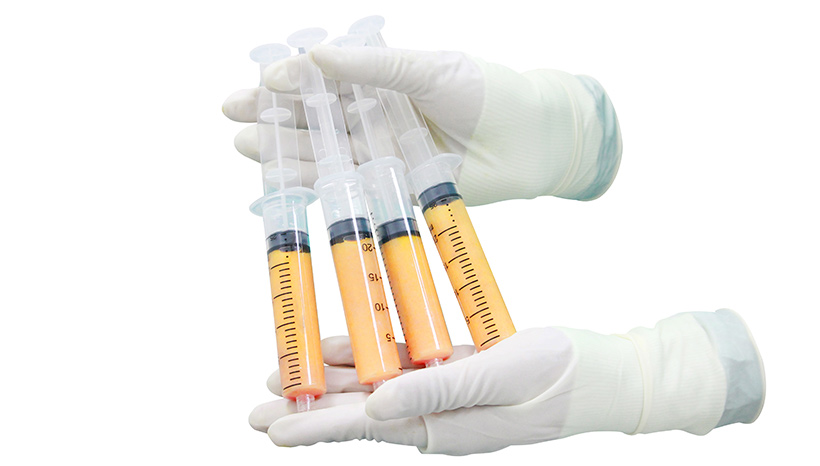
Fat transfer results are about more than just the surgery. Proactive management includes pre and post fat grafting measures to increase fat survival, reduce complications, and assist patients in achieving their aesthetic goals. Weight fluctuations post-surgery can impact outcomes. Therefore, consistent habits and continual attention are paramount. These tips lead patients through every phase and safeguard their fat transfer investment.
Pre-Surgical Planning
- Know your personal medical history and share all medications with your surgeon.
- About active control of fat transfer with a3.
- Select a skilled surgeon who is experienced in advanced fat grafting techniques.
- Talk about the use of techniques such as stromal vascular fraction-enriched lipotransfer for improved fat survival.
- Review the risks, including fat reabsorption and potential complications.
- Prepare a support system for help during recovery.
- Be sure you account for sufficient time away from work and daily responsibilities during the early healing process.
Consulting with the surgeon to discuss your goals and expectations is crucial. This keeps patient and provider on the same page about results and limitations. Lifestyle adjustments, like quitting smoking or achieving a healthy weight, can enhance outcomes.
Explaining the timeline for recovery and describing the swelling and activity restrictions helps patients know what to expect.
Post-Operative Protocols
Post-surgery, adhering to protocols is essential to enhance fat survival. Most surgeons advise restricted activity for a minimum of two weeks, particularly in the affected regions. Patients should not have pressure or trauma to the graft site as this can induce fat necrosis or loss. Tender loving care and some prescribed creams or dressings help it along.
It’s key to watch for any potential signs of infection, like redness, pain, or sudden swelling. Proactive management means that by catching and reporting these issues early, you can often avoid more serious complications.
Being aware of the standard healing process, which requires three to six months, can keep you grounded and alleviate worry over normal changes. Keeping your weight stable is another big one. Substantial weight gain or loss can change the shape and volume of the grafted area as fat cells in that region react to overall body weight.
Sunscreen and a simple skincare regimen protect these new contours, particularly after facial fat transfer.
Adjunct Treatments
Adjunct treatments can help or augment fat transfer results. Proactive care includes skin tightening procedures like radiofrequency or ultrasound that maintain tone as the graft heals. Dermal fillers can be utilized to finesse contours or target subtle asymmetry.
You should discuss with your surgeon the timing of any additional treatment. In general, adjunct procedures are considered once the complete result of fat transfer is seen, typically after three to six months.
Outgrowth support, for instance, may be used in high-volume scenarios to augment graft survival. Patients should consider how these alternatives might align with their long-term ambitions.
A personalized strategy that incorporates fat grafting together with adjuvants can frequently yield longer-lasting, more organic-appearing outcomes.
Conclusion
Fat transfer provides the new shape that stays put. Weight gain can still alter what you see. Gained fat may not only fill the treated spot but travel to other places, too. Healthy eats and everyday movement keep your look stable. Surgeons tend to suggest being realistic, knowing what to expect and asking if you feel uncertain. To maintain your desired shape, follow up with your care team and monitor any changes as time passes. Fat transfer can work well, and good habits make the best long-term difference. For additional advice, connect with a reliable physician or access nearby communities. Being knowledgeable allows you to properly maintain your results and your overall health.
Frequently Asked Questions
What happens to transferred fat if I gain weight after a fat transfer?
Transferred fat cells act as natural fat. If you gain weight, these cells can stretch and make the treated area look bigger.
Does fat transfer permanently increase fat in the treated area?
Fat transfer transplants living fat cells. Most last and are permanent, but results can shift over time with weight gain or loss or aging.
Can weight gain affect the shape of fat transfer results?
Yes, gaining weight can alter the contour of the treated area, occasionally making it appear lopsided or disproportional.
How can I maintain my fat transfer results after surgery?
Don’t gain weight after your results or if you do, that’s because it’s a fat transfer, not a fat addition. This maintains your results and continues to keep your proportions intact.
Is it possible to lose transferred fat if I lose weight?
Yes. Transferred fat cells will shrink if you lose weight, so this can diminish volume in the area treated.
Are fat transfer results affected by metabolic factors?
Yes, metabolism, genetics and lifestyle affect how your body stores fat, even in fat transfer treated areas.
Should I consult my surgeon before planning weight changes after fat transfer?
Yes. Discuss your weight goals and concerns with your surgeon. They can provide recommendations specific to your procedure and requirements.
 Directions
 Call Us
 Email Us