
What to Eat After Liposuction for Faster Recovery
Key Takeaways
- Protein is key for tissue repair and wound healing post-liposuction. Strive to hit your targets and distribute this intake over meals to aid recovery and collagen synthesis.
- Stick to a baseline of 1.2 to 2.0 grams per kilogram and skew more toward the higher range if it is a bigger procedure, you are older, or you have restricted mobility.
- Opt for a combination of quality animal and plant protein and use powders or shakes only as convenient additions to fill holes in whole food consumption.
- Watch for signs of deficiency, such as slow wound closure, extended swelling, fatigue, or increased infection risk, and increase protein intake immediately if they arise.
- Combine protein with healthy fats, complex carbs, and micronutrient-rich foods such as vitamin C, zinc, and iron to promote fluid balance, immune response, and general healing.
- Ask your healthcare provider or a dietitian, track your intake with a food journal, and customize your approach considering individual variables and healing status for safe and efficient recovery.
Protein after liposuction recovery is a crucial factor in wound healing and maintaining your muscles. Proper protein sustains tissue healing, decreases edema, and maintains lean mass throughout weight fluctuations.
Common sources include lean meats, dairy, legumes, and protein-rich plant foods, with typical recommendations of 1.0 to 1.5 grams per kilogram of body weight in early recovery. Below we detail timing, portions, and meal ideas to address recovery needs safely and clearly.
Protein’s Crucial Role
Protein is the main nutrient for liposuction recovery. It provides the building blocks required to repair tissue, maintain fluid balance, bolster immune defenses, maintain muscle, and assist with energy demands when appetite is diminished. Below, we examine how protein brings these processes to life and what to watch for or add in the diet to assist a safe recovery.
1. Tissue Regeneration
Protein provides amino acids which serve as the building blocks for new cells and extracellular matrix. These amino acids are required to replace damaged fat and connective tissue disrupted by liposuction and accelerate wound closure and re-epithelialization.
Collagen synthesis requires amino acids such as proline and glycine, as well as sufficient levels of vitamin C. When protein is lacking, collagen production falters and loose skin or indentations are more likely.
Level: Protein’s importance. Monitor intake through regular daily protein goals and record grams per meal, which ensures the body has a steady stream of fuel for repair.
2. Fluid Regulation
Protein is important because it helps to maintain oncotic pressure and keep fluid in blood vessels instead of leaking out into tissues. Albumin, a primary plasma protein, binds water and keeps it in the vascular space.
Low albumin can permit extra fluid to collect in the interstitial space, exacerbating post-operative edema. Keeping tabs on protein status via diet and, if necessary, blood tests can help reduce the risk of extended edema.
Add sources of protein such as eggs, fish, legumes, and dairy to help stabilize fluid shifts post-surgery.
3. Immune Defense
You need the amino acids in protein to create antibodies, cytokines, and the cells that combat infection. Protein optimizes surgical-site infection risk and fuels a measured inflammatory response that cleanses debris without exacerbating tissue destruction.
Protein assists in repleting white blood cells consumed during the initial healing period. Opt for lean meats, Greek yogurt, tofu, and pulses to provide both essential amino acids and micronutrients that support immune function.
4. Muscle Integrity
All of that immobility post-liposuction has the potential to cause muscle disuse, and protein feeds your muscles, maintaining lean mass and strength. Without sufficient protein, the body may catabolize muscle to meet amino acid requirements, leading to frailty and delayed recovery to baseline activity.
Add in diverse protein sources like chicken, fish, cottage cheese, and lentils to preserve muscle and promote functional recovery. Distribute intake between meals and snacks so muscles are fed consistently.
5. Energy Provision
When calories drop, protein can substitute as a fuel, staving off lethargy. Protein alone is not good. Pair it with carbs and healthy fats to provide steady energy and spare your protein for repair.
Match a protein with whole grains and good oils in every meal to keep your energy up throughout your rehabilitation.
Your Daily Intake
Post-liposuction recovery increases protein requirements to promote tissue repair, immune function, and lean mass maintenance. Below are actionable goals, how to customize them, an example calculation, and tracking advice so intake consistently fuels recovery.
Baseline Guideline
Standard recommendation: 1.2 to 2.0 grams of protein per kilogram of body weight for postoperative recovery. Begin closer to 2.0 grams per kilogram when still actively healing or have had large-scale liposuction and 1.2 to 1.6 grams per kilogram for minor cases and low activity.
Weight range — quick reference (grams per day):
- 50–59 kg: 60–118 g
- 60–69 kg: 72–138 g
- 70–79 kg: 84–158 g
- 80–89 kg: 96–178 g
Lean toward the upper end early post-op to assist collagen production and wound integrity. Try to distribute your protein intake evenly, targeting three main meals and one or two high-protein snacks so each eating occasion delivers 20 to 40 grams where possible. Even spacing ensures amino acid availability for tissue repair.
Personal Variables
Age, activity level, body composition and the scope of surgery alter requirements. Older adults usually have higher protein needs per kilogram due to decreased muscle synthesis efficiency. Active individuals or rehab patients require additional protein to reconstruct muscle. Bigger or compounded surgeries heighten the need for structural proteins and for immune support.
Vegetarians and vegans can achieve higher goals, but may need to pair plant proteins, such as legumes and grains, or use fortified protein powders to meet essential amino acid targets. Kidney disease, liver conditions, or metabolic disorders can alter safe protein quantities, and medical consultation is required.
| Personal Variable | Effect on Protein Need |
|---|---|
| Age >65 years | Increase need by ~10–20% |
| High activity/rehab | Increase need by 10–30% |
| Extensive surgery | Increase toward upper range |
| Vegetarian/vegan | May need higher total or combined sources |
| Kidney disease | May require lower or monitored intake |
Changes should be implemented incrementally and reviewed as you heal.
Professional Consultation
Work with your surgeon or registered dietitian to find a target that aligns with your health history, lab values, and recovery plan. Medical issues like chronic kidney disease or uncontrolled diabetes alter how much protein is safe and beneficial.
Take a 3 to 7 day food diary to appointments so clinicians can visualize patterns and recommend practical changes. They can include personalized nutrition plans, which can specify food lists, timing and supplements (e.g. Whey or plant protein powders) that fit with your taste preferences, budget and culture.
Trace intake with easy apps or a handwritten log and go over weekly to confirm goals are being achieved and tweaked as recovery progresses.
Optimal Protein Sources
Your body’s requirement for protein is elevated as it recovers from liposuction and rebuilds tissue, supports immune function, and minimizes muscle loss. Picking the right sources is important for healing speed, swelling control, and overall strength. Here’s what to eat — emphasis on quality, digestibility, and variety.
Whole Foods
Lean meats, eggs, fish, dairy, beans and legumes are your friends because they provide not only protein, but vitamins and minerals that help heal. Minimally processed foods are easier to digest and contain fewer additives that can irritate the gut or cause inflammation.
- Chicken breast (skinless), turkey, and lean cuts of pork or beef.
- Take eggs and Greek yogurt for seriously quality protein that is easy to absorb.
- Fish such as salmon and cod provide both protein and omega-3 fats.
- Low-fat cottage cheese and milk provide calcium and protein.
- Lentils, chickpeas, black beans, and kidney beans.
- Tofu, tempeh, edamame, and other soy foods.
- Quinoa and buckwheat as grain-based, higher-protein options.
- Nuts and seeds: almonds, pumpkin seeds, hemp seeds.
Mix animal and plant sources for good measure. Animal proteins frequently provide all the essential amino acids in a single serving, while plant proteins contribute fiber, antioxidants, and varying micronutrients. Rotate selections across meals and days to span a wider nutrient spectrum.
Supplement Forms
Protein powders, shakes and bars are convenient in times when your appetite is low or you can’t cook during early recovery. Whey is fast digesting and packed with leucine, which triggers muscle repair. Plant-based powders, such as pea, rice, and soy, are great for dairy-free athletes.
Supplements alone aren’t great. Whole foods contain other nutrients that many powders lack. Read labels carefully and avoid products with high added sugar, artificial fillers, or long lists of chemical ingredients. Go for powders with minimal ingredients and clear sourcing.
Use supplements to fill gaps: a shake after light activity, a protein-rich snack between meals, or a fortified bar when travel or appointments make cooking hard. Don’t let a reasonable portion size slip—supplements are sides, not entrees.
Amino Acid Quality
Complete proteins have all nine essential amino acids your body cannot create. Eggs, dairy, soy, and the majority of animal meats are complete, promoting optimal tissue repair. For plant eaters, combine proteins across meals: rice with beans, hummus with whole-grain pita, or oats with peanut butter to reach a complete profile.
When selecting supplements, scan amino acid profiles and seek sufficient leucine, which is critical to muscle protein synthesis. Blended plant powders provide a more complete amino acid profile than single-source powders. Modify selections according to tolerance, diet preference and physician recommendations.
Consequences of Deficiency
Under-proteinization post-liposuction delays healing and increases the risk of complications. Protein is a brick in new tissue, in new immune cells, and in the proteins that tug fluid back into vessels. Not having enough means the body cannot repair well, inflammations can become chronic, and small wounds can turn into abscesses or hypertrophic scars.
Common signs of protein deficiency include:
- Slow or stalled wound closure
- Thin, fragile scar tissue or widened scars
- Increased, persistent swelling (edema)
- Frequent minor infections or delayed reduction in redness
- Fatigue and poor strength, limiting mobility
- Loss of muscle mass around treated areas
- Hair thinning or brittle nails
Impaired Healing
Not enough protein means slow repair and scarring since collagen synthesis requires amino acids. Scars may form more slowly, be weak, or uneven if the body is deficient in substrates to lay down new matrix. Wounds that appeared to be healing can frost over again with pressure or even with movement.
Watch incision sites every day for depth, color, and signs of breakdown and any absence of steady improvement over seven to fourteen days. If healing lags, increase protein intake immediately and talk to your surgeon or dietitian.
Quick protein sources include lean poultry, eggs, Greek yogurt, canned tuna, tofu, cottage cheese, and protein shakes made with milk or a soy base.
Prolonged Swelling
Protein deficiency can exacerbate or prolong postoperative swelling as reduced plasma protein decreases oncotic pressure and permits fluid to escape from blood vessels into tissues. Albumin, a major blood protein, helps keep fluid in the vascular space and when it falls, edema follows and can persist longer than anticipated.
More dietary protein aids in restoring albumin levels and can assist in resolving chronic edema over a period of days to weeks. Practical, actionable measures include incorporating a high-protein snack with every meal and monitoring daily arm or abdominal measurements to identify patterns.
Keep a simple log: date, body part, and centimeters of change. Compare after dietary adjustments.
Infection Susceptibility
Protein deficiency compromises immunity by inhibiting antibody, immune cell, and acute-phase protein production required to combat bacteria. This increases the risk of surgical site infections and delays detection and management of contamination.
Emphasize protein-heavy meals during the initial two to four weeks post-surgery, when immune demand is at its peak. Include immune-supportive protein foods daily: oily fish (salmon, mackerel), skinless chicken, legumes, eggs, dairy, and fortified plant-based protein drinks.
Small, frequent meals can be easier to digest and absorb when you’re recovering.
The Nutrient Synergy
Protein not only repairs tissue post-liposuction, but is most effective when it synergizes with other nutrients. A quick glance at how fats, complex carbs, and micronutrients synergize with protein reveals why balanced meals are important. Here are action-oriented pairings, why they aid recovery, and specific examples you can apply during meal planning.
With Healthy Fats
Nutrient Synergy – Healthy fats aid the body in absorbing fat-soluble vitamins and supporting hormone balance, both of which are crucial during healing. A teaspoon of olive oil or some avocado slices on a protein plate goes a long way in assisting vitamin uptake and providing anti-inflammatory support.
For example, GRILLED CHICKEN BREAST and MASHED AVOCADO and LEMON – the fat in avocado assists the absorption of vitamin A and D from other foods. For seafood, drizzle extra virgin olive oil over baked salmon and roast vegetables. This provides omega-3s which combat inflammation and encourage cellular repair.
Healthy fat options:
- Olive oil (extra virgin)
- Avocado
- Nuts and seeds (almonds, walnuts, chia)
- Fatty fish (salmon, mackerel)
- Nut butters (in moderation)
With Complex Carbohydrates
Complex carbohydrates provide energy for living and repairing. Opt for whole grains, legumes, and starchy vegetables instead of refined carbs to avoid blood sugar spikes that can interfere with recovery.
Pair sweet potatoes with lean turkey or a quinoa bowl with black beans and grilled tofu. Both provide sustained energy and protein simultaneously. Whole grain and legume fiber helps with digestion and constipation, which can be a concern following pain meds.
Meal ideas:
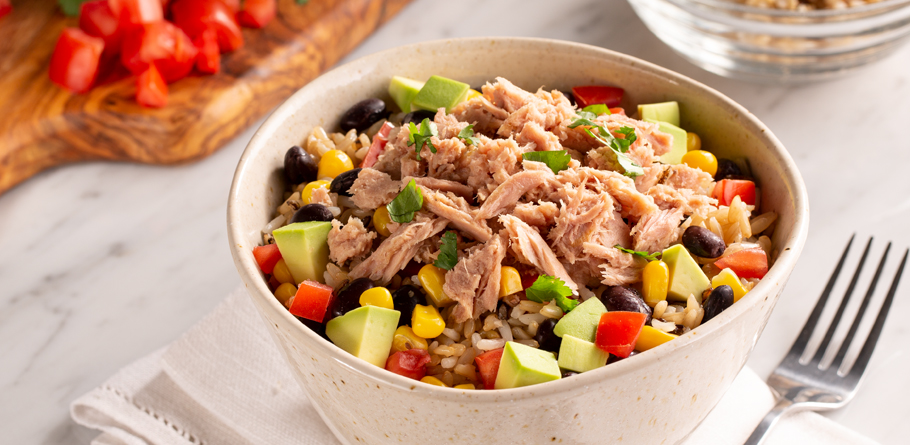
- Quinoa bowl: quinoa, black beans, chopped peppers, shredded chicken
- Sweet potato hash: roasted sweet potato, spinach, poached egg
- Lentil stew: lentils, carrots, diced turkey, herbs
With Key Micronutrients
Vitamins and minerals such as vitamin C, zinc and iron are at the heart of collagen production and immune function. Pair protein with colorful veggies and fruits to provide these micronutrients naturally and speed wound healing.
Table: Micronutrient-rich foods to pair with protein
| Nutrient | Foods to pair with protein |
|---|---|
| Vitamin C | Bell peppers, citrus, strawberries |
| Zinc | Pumpkin seeds, beef, chickpeas |
| Iron | Spinach, lentils, red meat (lean) |
| Vitamin A | Carrots, sweet potato, leafy greens |
Vitamin C aids collagen production, zinc facilitates cell division and repair, and iron transports oxygen essential for tissue healing. For instance, combine lean beef or lentils with a spinach and orange salad to enhance your iron and vitamin C intake at the same time.
Quick, frequent meals combining these nutrients maintain continuous healing and minimize risks.
Tailoring Your Diet
Post liposuction, diet should be tailored to healing requirements, lifestyle and palate. A specific protein strategy aids tissue repair, bolsters immune function and can reduce excess weight gain. Begin with recording existing habits, food preferences, allergies and common meal times.
Then use that base to tailor meals that are easy to make and easy to eat throughout recovery.
Customize your meal plan
Select protein sources you like and can consume without pain. Chicken breast or turkey, salmon or cod, eggs, low-fat dairy, tofu, tempeh, and legumes all work. For picky eaters, try smoothies with yogurt or protein powder, or soft choices like cottage cheese and mashed beans.
Match snacks to your routine: a small bowl of Greek yogurt midmorning, a handful of nuts midafternoon. Plan anti-inflammatory foods: oily fish, berries, leafy greens, turmeric, and ginger. Include one full protein at each main meal and smaller protein at snacks to spread intake across the day.
Track meals and symptoms
Keep a simple log: time, foods, portion, and symptoms such as swelling, pain, bowel changes, or energy levels. Check your log every few days to identify any connections between specific foods and signs of recovery.
For instance, if fried foods align with heightened bloating, exchange them for baked options. If particular proteins cause constipation, add fiber-rich sides such as steamed veggies or whole grains and hydrate. Simply use a phone note app or a paper journal. Consistency trumps complexity.
Adjust portions and choices over time
Early recovery (first 1 to 2 weeks): Emphasize higher protein intake around 1.2 to 1.5 grams per kilogram of body weight per day to support repair, split across meals. Opt for softer textures and gentle flavors.
Weeks 3 to 6: Gradually reduce to maintenance levels, which are about 0.8 to 1.0 grams per kilogram, if activity resumes. About: Customizing Your Nutrition Keep an eye on weight and lean mass changes. If weight creeps up, cut back on calorie-heavy sides and add activity as the surgeon approves.
Template for a personalized plan
Morning: 20 to 30 grams of protein from a smoothie with milk or plant milk, protein powder, banana, and spinach. Midmorning: a small yogurt or a boiled egg.
Lunch: 25 to 30 grams of protein from grilled chicken or lentil salad with mixed greens and olive oil. Afternoon: a handful of almonds and fruit.
Dinner: 25 to 35 grams of protein from baked fish or tofu, steamed vegetables, and a small portion of whole grains. Night snack (optional): low-fat cottage cheese or a glass of milk.
Modify portions to your caloric requirements and surgeon recommendations. Re-evaluate each week with your log and replace foods that induce discomfort or inhibit recovery.
Conclusion
Protein helps your body heal faster, maintain muscle, and reduce swelling post-lipo. Aim for clear targets of about 1.2 to 2.0 grams per kilogram of body weight daily, split across meals. Choose foods that combine protein and nutrition. Lean meats, fish, eggs, Greek yogurt, legumes, and soy provide robust protein and healing-supportive vitamins and minerals. Add protein shakes if you cannot eat enough. Watch for signs of low intake, such as slow wound healing, weak muscles, or increased fatigue. Combine protein with vitamin C, zinc, and plenty of calories to get the repair work done. Work with your surgeon or dietitian to track progress and adjust the plan as you recover. Begin small, remain consistent, and consult with a professional if issues arise.
Frequently Asked Questions
How soon should I increase protein after liposuction?
Eat more protein post surgery, even better within 24 to 48 hours! Early protein uptake promotes wound healing and mitigates muscle loss. Listen to your surgeon on timing and amounts.
How much protein do I need daily during recovery?
Shoot for 1.2 to 2.0 grams of protein per kilogram of body weight per day. Higher needs fit for older adults or those with bigger surgeries. Consult your surgeon or dietitian for a specific target.
Which protein sources heal wounds best?
Choose high-quality complete proteins: lean poultry, fish, eggs, dairy, soy, and whey. These deliver vital amino acids such as leucine, which promote tissue repair and collagen formation.
Can plant-based eaters get enough protein for recovery?
Yes. Mix in legumes, whole grains, soy, nuts, seeds, and fortified foods. Think about protein powders like pea and soy to hit targets. Watch your overall intake to make sure you get enough.
What happens if I don’t eat enough protein after surgery?
Low protein, in particular, can significantly slow healing, put you at risk of infection, and contribute to muscle loss. Your recovery time could be extended and your scarring is more pronounced. Address deficits quickly with changes to diet or supplementation.
Should I take protein supplements after liposuction?
Supplements can help you hit your targets if your appetite is low. Opt for high-quality whey or plant-based powders. Consult your surgeon or dietitian prior to initiating any supplement.
How do other nutrients affect protein’s role in recovery?
Vitamin C, zinc, iron, and sufficient calories support protein-driven healing. Eat well — fresh fruits, veggies, whole grains, good fats — everything that will make your recovery that much better.
 Directions
 Call Us
 Email Us