
Fat Harvesting for BBL: Process, Preparation, and Importance

Key Takeaways
- Fat harvesting is a purely cosmetic procedure. It mainly focuses on the belly and legs, and the fat that is harvested is frequently used in procedures like the Brazilian Butt Lift, or BBL.
- There are many different liposuction techniques, including tumescent, ultrasound-assisted, and laser-assisted liposuction. Each alternative offers different advantages and different recovery duration, letting patients choose according to their individual needs and desire to limit tissue trauma.
- Fat harvesting is based on important tools such as syringes, liposuction machines, and cannulas. Recent technological innovations have dramatically improved the efficiency and outcomes of these procedures.
- To maintain cell viability, proper pre-injection preparation of harvested fat is key. This process includes cleaning, filtering, and centrifuging the fat to ensure a proper transfer during procedures.
- The favorable BBL outcomes are largely attributed to detailed fat processing, which not only improves the aesthetic results but increases patient satisfaction.
- Techniques that improve fat survival rates and reduce complications are key to performing safe aesthetic procedures. This underscores the importance of experienced, talented surgeons and the vigorous enforcement of best-practice standards.
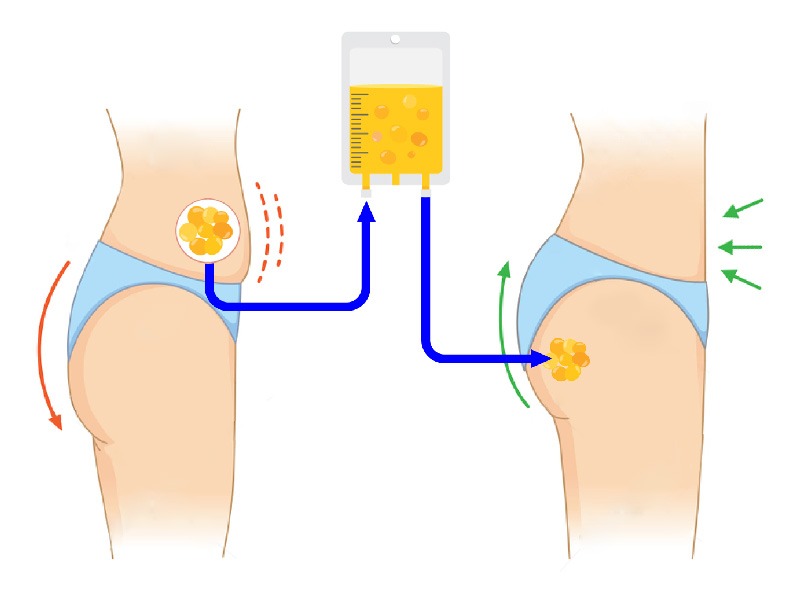
To truly understand the Brazilian Butt Lift (BBL) procedure, it helps to have a better idea of what happens to the harvested fat before it’s injected. Once extracted through liposuction, the fat then goes through a purification stage where it’s cleaned of fluids and other non-fat materials.
This meticulous preparation delivers the highest quality fat back to the body to be re-injected, greatly increasing the success rate of grafting. The purified fat is then carefully drawn into syringes, prepared for the shaping portion of the procedure.
This revolutionary technique not only sculpts the body’s contours, but utilizes the body’s own fat to create a more natural result. Proper handling during this phase is essential for producing the best results, providing a healthier, more contoured look after the procedure.
What is Fat Harvesting?
Fat harvesting is a surgical procedure that slims down bulging areas of fat. This fat is later injected during cosmetic or reconstructive surgeries. This process mainly consists of liposuction, focusing on areas such as the abdomen and thighs to collect enough fat.
Naturally beautiful results depend on using a patient’s own fat. This technique works especially well in reconstructive procedures like buttock augmentation. With Brazilian Butt Lifts (BBL), the harvested fat is not only integral to the surgical procedure but provides a natural, more personalized aesthetic.
Methods of Fat Harvesting
Different liposuction techniques, such as tumescent, ultrasound-assisted, and laser-assisted, have been described for fat harvesting. Every method comes with unique benefits.
Tumescent is known for its efficacy, ultrasound-assisted for precision, and laser-assisted for short downtime. Selecting a technique that minimizes damage to adjacent tissues is crucial for achieving the best outcomes. Choosing the right technique is largely based on patient considerations like skin elasticity and body shape.
Tools Used in Fat Harvesting
Other important elements such as cannulas, syringes, and liposuction machines play a crucial role in the pipeline. Cannulas come in different sizes and types, affecting the quality of harvested fat.
Anesthesia and specialized monitoring equipment, which can include EEGs, are used to ensure patient safety throughout the procedure. Technological innovations in these devices have greatly improved the ease and safety of fat harvesting.
Benefits of Fat Harvesting
Fat harvesting has many advantages, the most important being decreased risk of rejection because the fat used is autologous. It offers a two-fold benefit by sculpting the form while adding buttock fullness.
The treatment provides highly customizable cosmetic outcomes, increasing patients’ self-esteem and body confidence. Fat grafting, once the secret to facial rejuvenation, now revolutionizes body contouring with safe, natural-looking, and long-lasting results.
Preparing Harvested Fat for Injection
Here’s a detailed look at the key stages in the fat transfer procedure preparation process.
- Cleaning: Removing impurities with sterile techniques.
- Filtering: Separating viable cells from unwanted materials.
- Centrifugation: Concentrating healthy fat cells.
- Storing: Maintaining integrity before injection.
- Ensuring Sterility: Following protocols to prevent contamination.
1. Cleaning the Harvested Fat
Cleaning ensures that the fat is free from impurities and debris so that everything is sterile. This step is extremely important because this is how we can use sterile techniques to avoid contamination.
Washing with saline solutions is a common and popular technique used during the procedure. Meticulous cleaning is fundamental to the success of fat transfer.
The use of clean fat is associated with fewer complications and improved aesthetic results.
2. Filtering and Purifying Fat
Filtering removes clumps of viable fat cells from blood, debris, and other unwanted contaminants, further purifying the fat for injection.
Using specialized filters helps to ensure a higher survival rate of the transferred fat cells, which is an important step in avoiding post-injection complications.
Purely purified fat helps provide a smooth more natural appearance.
3. Centrifugation Process
Centrifugation further separates and concentrates viable, healthy fat cells. By selectively isolating these intact adipocytes, this method maximizes fat graft viability.
Using a centrifuge increases survival rates, providing long-term success. Here’s a comparison table of centrifugation speeds and their effects:
| Speed (rpm) | Effect on Viability |
|---|---|
| 1000 | Moderate |
| 2000 | Optimal |
| 3000 | High |
4. Storing Fat Before Injection
Storing fat under the best conditions possible is very important. Keeping the fat at about 39°F minimizes this degradation.
Timing is crucial. Moving the fat from storage to the site of injection quickly can maximize outcomes.
Proper secure storage protects against contamination or loss.
5. Ensuring Sterility and Safety
Key protocols are using sterile equipment and sterile environments, and minimizing infection opportunities.
Patient safety guidelines ensure the protection of the patient and the surgical team. They emphasize the importance of experienced surgeons in performing safe fat transfer procedures.
Importance of Fat Processing
Fat processing plays a significant role in achieving optimal BBL outcomes. Well-processed fat helps ensure that the aesthetic outcomes of buttock augmentation are beautiful and, more importantly, durable. Quality processed fat is essential to ensuring patients are happy after surgery.
It’s a labor-intensive process, with attention to detail required to preserve the fat. This has a direct effect on patient reported outcomes that patients experience after the procedure. When fat is handled with care, the results are more likely to meet patient expectations, resulting in lasting satisfaction and confidence.
Enhancing Fat Survival Rate
Techniques such as meticulous placement and minimizing trauma during injection go a long way to help the survival of the fat. Quality of harvested fat matters. Traditional liposuction can damage up to 90% of fat cells from its vacuum pressures.
Following best practices in fat processing will guarantee the best chance of survival. For example, closed system aspirators permit uniform deposition of lipids in small volumes to minimize necrosis. The surgeon’s experience is the most important variable that affects fat survival.
It’s their artistry that makes sure that complicated, high stakes procedure leads to the best possible results.
Reducing Risk of Complications
When proper fat processing is applied, risks like fat embolism and infection are minimized. Selection of an experienced surgeon is critical to reducing complications. With preoperative planning, you can identify and address risks before they become problems.
Meticulous postoperative treatment is imperative for minimizing the risk of complications. Employing techniques such as external volume expansion can significantly enhance the viability of fat grafts. This process results in safer, more effective products.
Improving BBL Results
Proper fat processing improves the aesthetic outcomes of Brazilian Butt Lifts. Smart, individualized fat placement is key to giving you the contours you want. Additionally, processed fat is used to achieve an aesthetic look and feel that appears natural.
When fat transfer is a success, it can have a profound effect on a patient’s overall satisfaction and confidence, and it’s all worth it.
Conclusion
Fat harvesting is an important step in the Brazilian Butt Lift process. The harvested fat needs to be processed in a precise manner to ensure the highest quality and safety. This step winnows down the best cells for the procedure. It makes a huge difference, greatly improving the likelihood of a successful outcome. This process is essential in maintaining a natural, long-term result.
With BBL, the success is in the details — from how the fat is processed to how it’s placed. Every single step is important and contributes to the final appearance. So, knowing what these steps are can help calm your nerves and help you feel reassured by the outcome. If you’re thinking about having this procedure done, read further to learn more about what makes this procedure effective. Do your research, consult with practitioners, and identify the right approach for your goals.
Frequently Asked Questions
What is fat harvesting?
Fat harvesting, a popular procedure in cosmetic surgery, involves extracting unwanted fat from areas like the abdomen and inner thighs through liposuction. This aspirated fat is then utilized in fat transfer surgeries, such as Brazilian Butt Lifts (BBL), enhancing the buttock shape.
How is harvested fat prepared for injection?
Before the fat transfer procedure, impurities like blood and oil are separated from the harvested fat, ensuring that only the healthiest fat cells are used for fat grafting procedures.
Why is fat processing important before injection?
Correct fat handling during the fat transfer procedure is essential to ensure the highest number of cells survive, promoting longevity of results and reducing complications.
What happens if the fat is not processed correctly?
Fat that isn’t properly processed during fat transfer surgery can often be the culprit behind bad results, significantly increasing the risk of fat necrosis and reducing the longevity of the fat graft.
How long does fat processing take?
Processing the harvested fat during a fat transfer procedure is typically a rapid process, usually taking around an hour, depending on the amount of fat harvested.
Is all harvested fat suitable for injection?
Not all harvested fat is good fat. Only healthy, viable fat cells survive the process. This leads to improved aesthetic outcomes and fewer complications.
Can the processed fat be stored for later use?
For optimal fat transfer surgery results, processed fat should ideally be used immediately to maintain cell viability, as storage can compromise its effectiveness.
 Directions
 Call Us
 Email Us