
Jet Lag and Body Sculpting Recovery: Causes, Prevention, and Complications

Key Takeaways
- Jet lag, which interferes with your circadian rhythm and melatonin production, triggers sleep deprivation and travel fatigue that can sabotage body sculpting recovery. Schedule sleep and light exposure to adjust your internal clock.
- Jet lag and body sculpting recovery complications guide: Circadian disruption and poor sleep raise risks of swelling, delayed healing, infection, and exacerbated scarring. The post Jet lag & body sculpting recovery complications guide appeared first on Dr. Kian Karimi.
- Adjust sleep times leading up to travel, set devices to local destination time in flight and get morning light after landing to quicken circadian adjustment and aid recovery.
- Utilize actionable in-flight tips like eye masks, ear plugs, restricted screen time, short naps, movement, and melatonin recommendations to safeguard sleep architecture and reduce travel exhaustion.
- Track healing milestones, monitor for abnormal swelling or infection, and stretch out recovery timelines when frequent travel or sleep disturbances persist. Contact your clinician if symptoms are worsening.
- Eat balanced meals, stay hydrated, and moderate caffeine and alcohol consumption around travel to support your metabolic rhythms, immune function, and tissue repair during recovery.
Jet lag and body sculpting recovery complications guide explains how time zone shifts can affect healing after cosmetic procedures. Jet lag, swelling, clot risk, and medication timing are all critical factors that can complicate recovery.
The guide provides clear steps to assuage the damage caused by these issues. It includes science-backed advice on hydration, slow movement, and post-operative care to support a smoother recovery process.
Additionally, the guide offers hands-on schedules for flights, rest, and doctor contact to reduce complication risks. This structured approach is beneficial for both patients and clinicians organizing travel while healing.
Understanding Jet Lag
Jet lag is a circadian rhythm sleep-wake disorder that occurs when your 24-hour internal clock becomes out of sync with the local day-night cycle after quick travel across time zones. The misalignment manifests as insomnia, daytime fatigue, and a feeling that the body and local time are at odds. Onset typically occurs within a day or two of crossing at least two time zones, and the internal clock can take a few days to a few weeks to fully adjust depending on the individual and number of zones crossed.
Common jet lag symptoms include:
- Daytime fatigue and sleepiness
- Difficulty getting to sleep and waking up at the appropriate hour
- Difficulty staying alert and reduced concentration
- Digestive issues like nausea, bloating, or irregular bowel movements
- Mood changes such as irritability or low mood
- Headaches and general lethargy
Jet lag occurs because fast travel across time zones confuses the body’s circadian rhythm by changing the day/night external cues, primarily light, that normally entrain an internal clock. The brain’s suprachiasmatic nucleus relies on daylight as its primary time signal. Abrupt alterations in the schedule of light exposure cause melatonin production to fall out of alignment.
Melatonin is that hormone associated with the sleep-wake cycle, and its nightly ebb and flow helps to guide when to sleep. When melatonin release is misaligned with local night, sleep is fragmented, late or early onset occurs, and sleep quality declines. All of this contributes to travel fatigue.
Eastward and westward travel impact the circadian system differently and frequently alter the duration of recovery. When you travel east, your internal clock needs to move forward. It needs to be ready to fall asleep earlier and wake earlier than it’s used to, which for most people is more difficult and results in more severe symptoms.
Flying west demands turning the clock back, which the majority of us find easier to adapt to. Severity depends on the number of time zones crossed. Mild jet lag is common after crossing three or more zones, while larger shifts increase both symptom intensity and the time needed to acclimatize.
Practicalities that dictate recovery include pre-trip sleep modification and light exposure control. Shifting your sleep schedule by an hour or two in the days before travel can reduce shock to the system. Upon arrival, get as much daylight as possible during the local daytime and avoid bright light at local night to hasten clock reset.
Short daytime naps can manage acute sleepiness without significantly postponing nighttime sleep. Personal variables, such as age, prior sleep health, medication, and even flight timing, will all alter symptoms and recovery speed.
Recovery Complications
Body clock disruption and poor sleep quality both directly impact surgical recovery. Circadian misalignment and sleep loss compromise tissue repair, inflammatory regulation, and fluid balance. Many travelers jump multiple time zones, so it’s a good general guideline that you need about a day per time zone to re-sync. Long-haul trips right after body sculpting pose obvious hazards.
Jet lag typically induces daytime sleepiness, cognitive impairment, and stomach upset that can arise within a day or two of crossing two or more time zones and generally abates within a few days as the clock turns.
1. Increased Swelling
Impaired sleep architecture and circadian disturbance may contribute to increased postoperative edema by disrupting hormonal and vascular control. Sleep loss increases cortisol and alters vasopressin, which can cause increased fluid retention and puffiness after liposuction or contouring procedures.
Dehydration from red-eyes, cabin air and irregular meals usually exacerbates the swelling. When your fluid intake is low, your body retains salt and water. Swelling can appear and feel even more pronounced.
Manage sleep quality and hydration to limit swelling: aim for regular sleep windows, drink water before and after flights, and avoid excess salt during travel. Recovery complications keep an eye out for abnormal swelling patterns when circadian shifts occur. Uneven or quick-worsening swelling requires immediate clinical evaluation.
2. Delayed Healing
Sleep loss and circadian misalignment complicate recovery by slowing tissue repair through reduced growth factor release and immune cell mistiming. Less deep sleep and fragmented nights result in fewer regenerative cycles and slower collagen formation.
Recovery time can be significantly affected. Extensive travel and a disrupted schedule can really extend the recovery time. The more time zones crossed, the more delayed the healing process. Monitor wound closure, pain, and mobility milestones. If healing stalls after a long haul, revise activity restrictions and clinical follow-up.
3. Higher Infection Risk
Sleep loss and clock disruption compromise immune defenses, reducing white blood cell activity and antibody responses. Travel fatigue adds to this, leaving the body even less capable of warding off pathogens introduced at incision sites.
Recovery complications require vigilance. Take care to rest, wash your hands, and dress your wounds after flights. Be alert: daytime sleepiness and fatigue can hide early infection signs like low-grade fever or increased drainage. Monitor closely and seek care if changes arise.
4. Worsened Scarring
Sleep disruption and circadian disruption impair collagen production and scar remodeling, increasing the risk of hypertrophic or abnormal scars. Jet-lag stress and hormonal shifts such as elevated cortisol can push scars in a negative direction.
Adhere strictly to wound-care protocols during time-zone shifts and record scar appearance, particularly post-travel. Notify your provider of any hardening or quick color change.
5. Pain Management
Sleep disruption increases pain sensitivity and decreases pain tolerance. Use non-drug alternatives, such as cold packs, light movement, and relaxation, to minimize sedative medication that further disrupts sleep.
Watch for sleep aid and pain med interactions. Dose them according to the new sleep schedule for more relief and fewer side effects.
The Hormonal Link
Jet lag shifts melatonin and the entire circadian clock, which delays sleep onset and sleep quality and slows recovery after bodyscaping. Melatonin is produced by the pineal gland when the hypothalamus detects low light. Melatonin typically increases at night, facilitates the onset of sleep and declines during the day.
Crossing time zones or changing work shifts shifts that signal. The consequence may be delayed or early melatonin spikes, interrupted sleep and reduced deep sleep that is important for tissue healing and pain modulation post-surgery. Melatonin and the circadian clock direct when restorative processes occur most effectively.
Core body temperature, cortisol rhythm, and growth factor release all follow the clock. Deep sleep nourishes collagen production and immunity. If circadian timing is disrupted, that optimal window for tissue repair shrinks or shifts to wake time, decreasing net repair following liposuction or fat transfer.
A patient flying east who sleeps poorly on local nights may miss several nights of slow-wave sleep, slowing wound healing and increasing inflammation markers. Melatonin tablets can help re-sync the clock and sleep in recovery when used at the right time. Low doses of melatonin administered a few hours before your desired bedtime can advance or delay your sleep phase.
For eastward flights, a dose in the early evening of the leaving time zone can help move sleep earlier. For westbound travel, a dose early in the morning of the departure time zone can assist in postponing sleep. Melatonin will make you drowsy for hours after dosing, so timing and dose are important.
For example, a patient traveling five time zones west may take light exposure late in the evening, avoid early-morning light, and use melatonin strategically to shift sleep later while recovering. Hormonal shifts alter immune response, inflammation and tissue recovery after body sculpting.
Cortisol, thought to be influenced by the circadian clock, affects inflammation and glucose regulation. When cortisol rhythms are misaligned, inflammation drops increase and wound healing is impaired. Lower or mistimed melatonin diminishes its antioxidant and anti-inflammatory effects that can exacerbate local swelling and inhibit angiogenesis required for graft survival.
Shift work or night shifts are like jet lag. Shifting from days to nights work reduces melatonin and can cause similar delays in healing and increased risk of infection. On the practical side, that means light exposure at the right times, melatonin with guidance from your clinician, sleeping opportunity prioritized based on the surgical recovery window, and no night shifts in the immediate perioperative period.
Strategic Travel Planning
Strategic travel planning, based on a body sculpting recovery timeline, minimizes circadian disruption and avoids complications. Plan flights such that key recovery milestones, including initial rest, first checkup, and gradual return to activity, take place in a consistent local schedule. Build extra time into plans.
Add several hours on travel days and consider an extra day before surgery and at least one day after returning home, especially when crossing multiple time zones. Going east typically demands more adaptation than going west. Anticipate about a day per time zone crossed, but everyone’s internal clocks differ.
Light exposure patterns matter. For eastward trips, get morning light and avoid evening light. For westward travel, evening light can help prolong familiar day-night cues.
Pre-Flight
Start moving sleep 30 to 60 minutes earlier or later each night the week before travel to nudge toward destination time. This minimizes sleep debt and facilitates the initial 48 hours post-op. Pack sleep aids and comfort items: melatonin (consult provider for dose), an eye mask, earplugs, a travel blanket, and familiar pillowcases to cue sleep.
Hydrate well in the 48 hours preceding travel and avoid alcohol and caffeine in the 12 hours leading up to your departure because these substances exacerbate dehydration and sleep fragmentation.
Short checklist for sleep support during flights:
- Melatonin tablets with clear dosing and physician approval.
- Comfortable neck pillow and compact blanket.
- Noise-reducing earplugs and a light-blocking eye mask.
- Moisturizing spray or nasal saline for cabin dryness.
- Printed recovery plans and emergency contact numbers.
In-Flight
Change watches and devices to destination time at boarding to start behavioral shift. With an eye mask, ear plugs and neck support, consolidated naps can be designed, protecting sleep architecture a lot more than random dozing.
Cut screens and dim them to help melatonin onset. Cabin lights and screens are strong delays to sleep hormones. Get up and move every 60 to 90 minutes, walk about and do light stretches in the aisle, ankle pumps, all to get that circulation going and reduce clot risk.
Short naps are helpful to control sleep pressure, but keep them brief and aligned with your destination sleep schedule.
Post-Flight
Expose yourself to natural daylight at the earliest opportunity to reset your circadian clock. Morning light supports east shifts and evening light supports west shifts. Schedule meals and sleep rigidly to local time. This helps cement the new rhythm.
Skip naps over 30 minutes during days one and two to safeguard nighttime sleep. Strategies for tracking jet lag symptoms:
- Note sleep onset, awakenings, and daytime alertness twice daily.
- Record mood, appetite, and bowel regularity as proxy circadian markers.
- Track exposure to daylight and timed melatonin use.
- Count time zones crossed and estimate expected adjustment days.
Nutrition and Hydration
Both jet lag and safe recovery after body sculpting have one thing in common: nutrition and hydration. Consistent, nutrient-dense meals maintain metabolic rhythms and assist tissue repair. A solid meal before boarding smooths digestion and relieves the strain of fasting aloft.
Timing matters: plan meals so the day of flying aligns with your destination schedule when possible. A 12 to 14 hour overnight fast that concludes with a protein-forward meal can assist in resetting the circadian clock and minimizing the jet lag effect.
Drink water regularly, pre, during, and post-flights. Cabin air and low cabin humidity draw fluid from the body, which can inhibit healing and exacerbate swelling. Make water your baseline from takeoff to landing.
A refillable bottle should be sipped often instead of waiting until thirsty. Oral hydration promotes circulation, assists in clearing anesthesia metabolites, and encourages lymphatic drainage post-sculpting.
Cut back on caffeine and alcohol. Both disrupt sleep and the circadian process. Caffeine late in the travel day can push back a traveler’s ability to adjust to a new time zone.
Alcohol can exacerbate dehydration and increase swelling or bruising after surgery. If you do have either, keep portions small and balance with additional water.
Opt for meals that promote healing and minimize inflammation. A large serving of protein with lots of vegetables is a strong post-travel option. Lean chicken, fish, or plant proteins along with steamed greens and colorful vegetables provide amino acids and micronutrients needed for tissue repair.
Fiber is great for gut health, but be careful when you introduce fiber powders and supplements. Taking a large dose without sufficient water or too rapidly can cause bloating and discomfort, especially when digestion is already impaired because of the change in cabin pressure.
Practical food and fluid choices that reduce swelling and aid circadian adjustment are shown here:
| Category | Examples | Why they help |
|---|---|---|
| Hydration | Water, oral rehydration solutions, coconut water | Replace fluids and electrolytes; support circulation |
| Protein | Grilled fish, lean poultry, tofu, Greek yogurt | Builds tissue, stabilizes glucose for energy balance |
| Vegetables | Leafy greens, bell peppers, cruciferous veggies | Anti-inflammatory nutrients, micronutrients for healing |
| Low-sodium options | Fresh fruit, unsalted nuts, steamed veggies | Reduce fluid retention and swelling |
| Sleep-support foods | Oily fish, tart cherries, kiwifruit | Contain melatonin or precursors to help sleep timing |
| Avoid/Limit | Alcohol, excess caffeine, heavy fried foods | Worsen dehydration, disrupt sleep, slow digestion |
If you’re shifting meal times, try to eat at local meal times, not on home schedule. Post-travel, nutrition advice is to consume a protein-forward, vegetable-rich meal to help your body adapt to its new surroundings and assist in recovery.
Keep an eye on bowel habits and hydration, and consult a clinician about ongoing digestion troubles, particularly post-surgery.
When to Consult
Track sleep and recovery diligently after travel and body sculpting. Jet lag usually manifests within a day or two of crossing a minimum of two time zones and typically resolves within a few days.
When to Consult: If sleep problems, insomnia, daytime fatigue or digestive upset last more than two weeks, consult a professional. Two weeks is a good cutoff because continuous symptoms could signify another sleep disorder, medication side effect, or untreated medical issue. Contact a health care professional if symptoms have not cleared within that time.
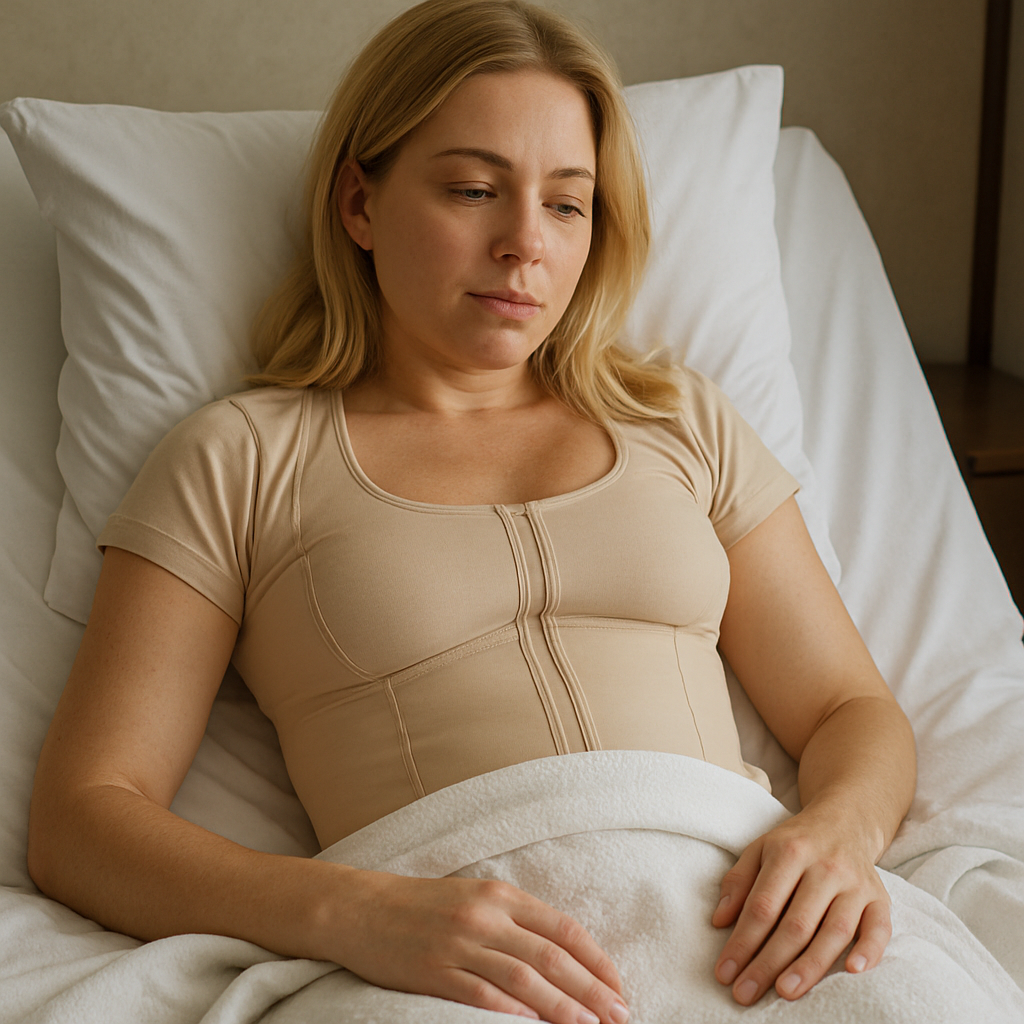
Watch for severe sleep disruption that interferes with daily life. If you cannot fall or stay asleep despite trying routine fixes, such as light exposure, fixed sleep times, short naps, and limiting caffeine, consult a clinician. Extreme daytime sleepiness that affects work, driving, or caregiving is a red flag.
People over 60 and those with pre-existing sleep disorders or conditions such as chronic fatigue syndrome are more likely to need tailored assessment and may require earlier contact with a specialist.
Seek immediate care for signs of infection, worsening swelling, or unexpected scarring after surgery and travel. Travel can mask or delay wound issues. Increased redness, heat, pus, fever, or sudden pain around surgical sites warrant prompt evaluation.
If swelling grows asymmetrically or you have new numbness, color change, or hardening of tissue, contact your surgeon or local emergency services. Delay in treatment can lead to deeper infection or poor healing outcomes.
Check in on recovery and sleep quality on a schedule. Maintain for two weeks a daily journal that records sleep onset, wake time, hours, nap duration, meds, wound condition, pain, and mood. Use it as a benchmark against anticipated recovery milestones from your surgeon.
Regular review facilitates trend spotting earlier and enables timely intervention like sleep hygiene changes, medications, or in-person wound checks to be scheduled.
When symptoms are severe or strange, don’t wait. Serious jet lag that keeps you from functioning or post-surgical follow-up that deteriorates after a plane ride needs immediate professional guidance.
Examples include persistent insomnia and 24-hour fatigue along with poor concentration after two weeks, increasing incision redness with fever, new drainage from a wound, or sudden shortness of breath with swelling of a limb.
If you’re traveling internationally, go to local urgent care or reach out to your surgical team for remote assistance if you are in another country.
Common symptoms that warrant consultation are listed below.
| Symptom category | Examples |
|---|---|
| Sleep and daytime function | Insomnia >2 weeks, extreme fatigue, inability to work or drive |
| Digestive or systemic | Ongoing nausea, diarrhea, or poor appetite affecting recovery |
| Wound and swelling | Redness, pus, fever, asymmetric or growing swelling |
| Neurologic or vascular | New numbness, severe pain, shortness of breath, limb color change |
Conclusion
Travel across time zones can alter sleep, hormones, and healing. For anyone who had body sculpting, rest, steady fluids, and protein work quickly to reduce risk. Schedule flights to escape extended overnighters. Select sleep blocks that correspond with clinic guidance. Pack convenient protein bags, water bottles, and a light heating pad for swelling. Beware of increasing pain, extensive redness, or fever. If any of those pop up, get medical attention immediately.
Examples that help include picking a daytime flight after a week of recovery, using a travel pillow and blackout mask for short naps, and keeping incision dressings dry with spare bandages in a carry bag.
If you desire a customized schedule for your travel and recovery, request one now.
Frequently Asked Questions
Can jet lag worsen recovery after body sculpting procedures?
Yes. Jet lag, which disrupts sleep and circadian rhythms, can slow healing, increase pain sensitivity, and raise infection risk. Give yourself rest time before and after travel.
How long should I wait to fly after body sculpting?
Give yourself at least one to two weeks for small procedures and two to four weeks for more extensive work. Listen to your own surgeon’s tailored recommendations for your procedure and recovery.
What travel strategies reduce post-op complications?
Arrange non-stop flights, secure aisle seats, stretch your legs every half hour to an hour, wear compression stockings if recommended, and plan post-surgery extra rest recovery days. These actions reduce the risk of blood clots and swelling.
Which foods and fluids aid recovery and jet lag?
Go with protein-rich meals, anti-inflammatory meals such as fish and veggies, and electrolyte drinks. Stay away from alcohol, excessive caffeine, and salty snacks that cause swelling and dehydration.
Do hormone changes from travel affect recovery?
Yes. Sleep disruption changes cortisol and melatonin. That can interfere with immune and tissue recovery. Sleep, controlled light exposure, and consistent mealtimes assist in rebalancing hormones.
When should I contact my surgeon after travel or while recovering?
Reach out to them for worsening pain, fever, unusual drainage, sudden swelling, shortness of breath or a suspected blood clot. Don’t delay. Early evaluation avoids trouble.
Can sleep hygiene reduce jet-lag-related recovery issues?
Sure. Stick to regular sleep hours, manage your light exposure, and take power naps. Sleep aids healing, decreases inflammation, and promotes recovery.
 Directions
 Call Us
 Email Us